



















The Ultimate Guide to Radio City Music Hall (Est. 1932)
Table of Contents
Radio City Music Hall, nicknamed “The Showplace of the Nation,” is a pinnacle of American entertainment history and architectural achievement. Opened on December 27, 1932, at the height of the Great Depression, it was designed as a “palace for the people” to provide high-quality entertainment at affordable prices.

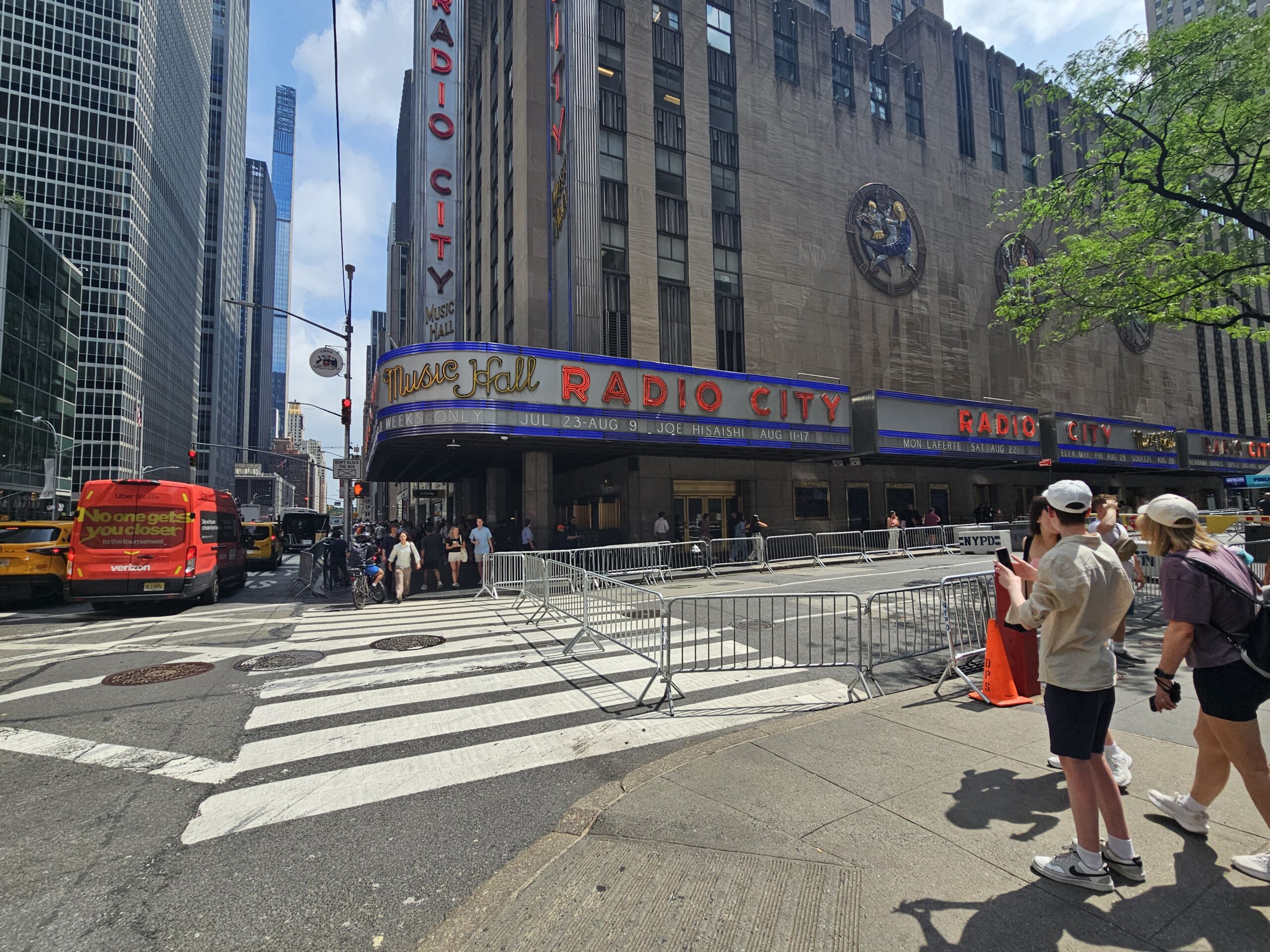
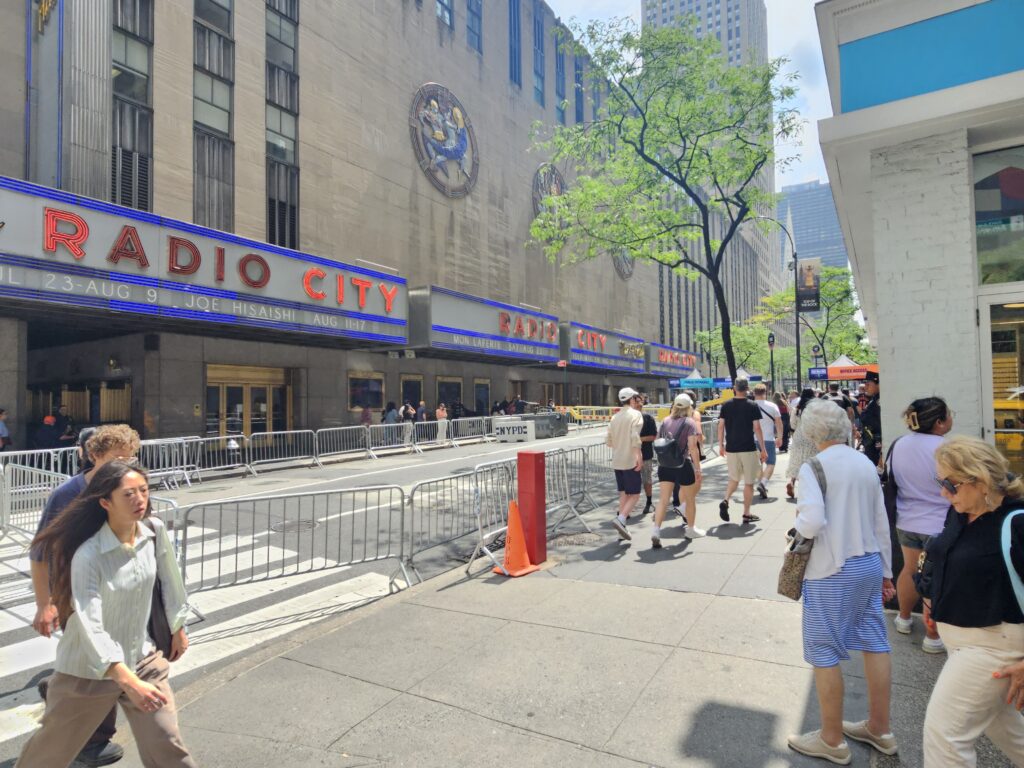
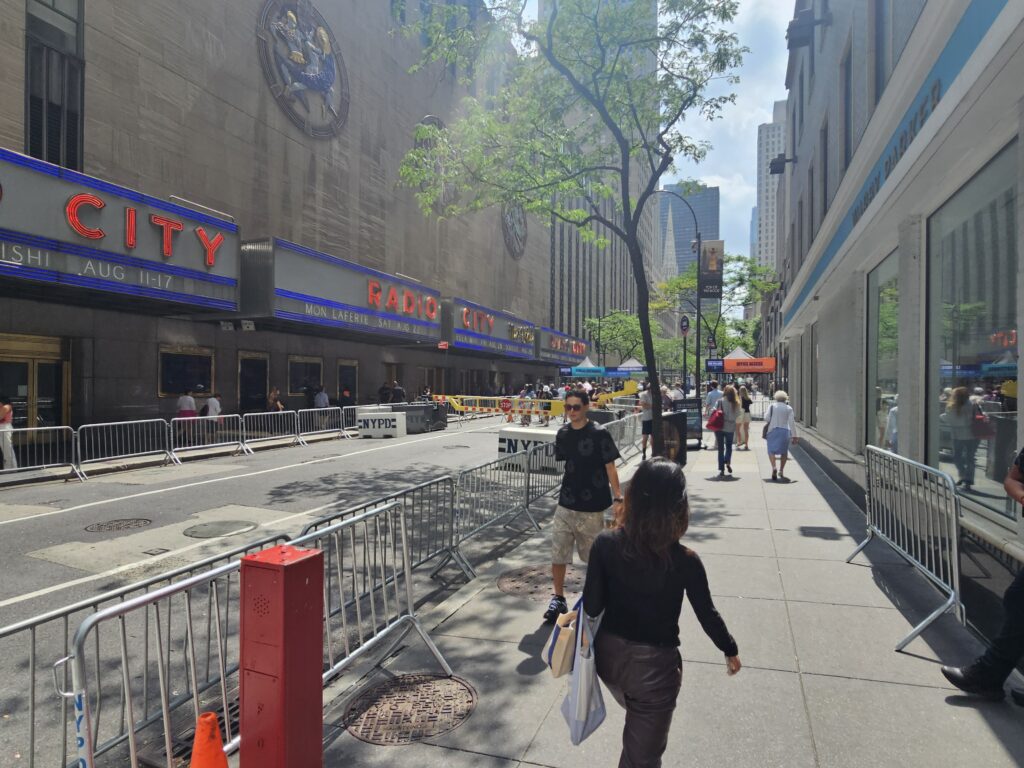
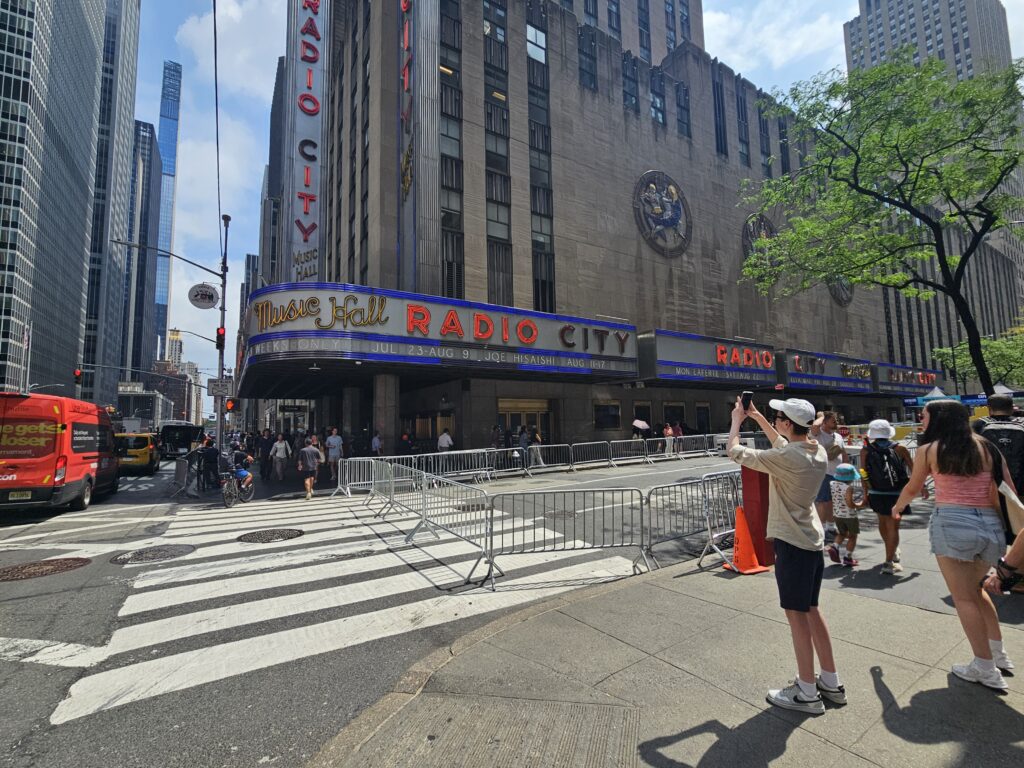
Tucked into the heart of Rockefeller Center on Sixth Avenue, the venue’s glowing marquee and Art Deco facade have become as recognizable a piece of the Manhattan skyline as the buildings surrounding it. Tourists gather on the sidewalk day and night to photograph the neon lettering, while locals still treat it as a working theater first and a landmark second — a rare balance for a building nearly a century old.
An Art Deco Icon: Radio City’s Origins
Originally planned as the “International Music Hall,” it was renamed when the Radio Corporation of America (RCA) became a primary tenant. It has stood as a cultural icon for nearly a century, surviving a closure threat in 1978 thanks to a public “Save Radio City” campaign.
- Official Landmark: The interior was designated a New York City Landmark in 1978, followed by the exterior in 1985.
- Iconic Residents: It is the longtime home of the Radio City Rockettes, a precision dance troupe celebrating their 100th anniversary in 2026.
The Great Stage and Architectural Marvels
Designed by architect Edward Durell Stone and interior designer Donald Deskey, the venue is an Art Deco masterpiece, and every detail — from the lobby fixtures to the auditorium’s curved lines — was conceived as part of a single unified design vision.
- Scale: It remains the largest indoor theater in the world, featuring a 6,000-seat capacity.
- Unique Design: Every seat has an unobstructed view, with three mezzanine levels supported by the back wall rather than traditional columns.
- The Great Stage: The stage proscenium arches are designed to create the illusion of a setting sun.
- Cutting-Edge Sound: As of 2025, the venue integrated the Sphere Immersive Sound system (originally from the Las Vegas Sphere), making it one of the most advanced audio experiences globally.
More Than a Theater
What truly cements Radio City Music Hall as more than a tourist stop is how actively it’s still used. This isn’t a preserved museum piece kept behind velvet rope — it’s a functioning venue that hosts concerts, film premieres, and the annual Christmas Spectacular, all inside the same room where audiences sat in 1932. As commercial rents and redevelopment reshape block after block of Manhattan, Radio City stands as proof that a building can stay both historically protected and commercially alive at the same time — a balance many older venues never manage to strike
If You Go
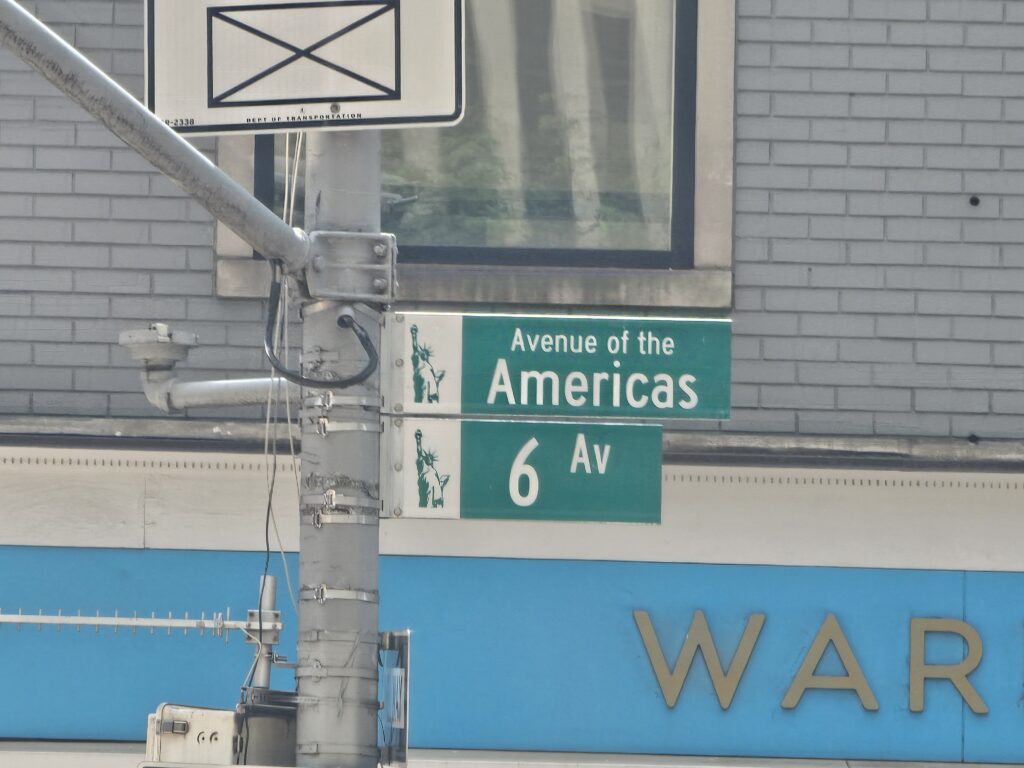
Address: 1260 6th Avenue (Avenue of the Americas), New York, NY 10020
Hours: Radio City doesn’t keep fixed daily visiting hours — box office and lobby access depend on the scheduled show. Check the current event calendar before visiting, or book the guided Stage Door Tour for daytime access.
Transit: Take the subway to the 47th-50th Streets–Rockefeller Center station (B, D, F, M trains) and walk less than a block north.
Just a short walk south, Bryant Park offers a quieter break before or after your visit.
Insider Tip: Arrive a little early and walk the full block-length of the marquee before showtime — the neon lettering and Art Deco reliefs photograph best in the late-afternoon light, before the evening crowd builds up.
















Comments 1