




















Table of Contents
The Brooklyn Bridge is a globally recognized engineering marvel that stands as a core symbol of New York City’s resilience and architectural ambition. Spanning 5,989 feet across the East River, this National Historic Landmark connects the bustling streets of Lower Manhattan with the historic charm of Brooklyn Heights and DUMBO. Whether you are a history enthusiast or a first-time tourist looking for the perfect skyline photo, walking this iconic structure is an unforgettable New York experience.

The Historical Importance: The “Eighth Wonder of the World”
When it officially opened on May 24, 1883, the Brooklyn Bridge was the longest suspension bridge in the world and the first ever built using steel-wire cables. At the time, it stood seven times taller than any other structure in the city, entirely shifting the trajectory of New York’s layout.
Key Historical Milestones
A Fatal Legacy: Designed by pioneering engineer John A. Roebling, the project faced immediate tragedy when he died from tetanus before construction truly began.
Overcoming Decompression Sickness: His son, Washington Roebling, took over chief engineering duties but became permanently paralyzed by “the bends” (decompression sickness) while working inside the bridge’s underwater pneumatic caissons.
Emily Warren Roebling’s Triumph: With her husband bedridden, Emily Warren Roebling stepped in as the field coordinator. She taught herself civil engineering and material science, acting as the vital conduit between Washington and the construction crews. To honor her monumental leadership, she was the very first person to cross the completed bridge, triumphantly carrying a rooster across the span.
The Elephant Test: Public skepticism regarding the bridge’s stability persisted until showman P.T. Barnum led a parade of 21 circus elephants across the span in 1884 to prove it was completely safe.
Uniting New York: The physical link directly paved the way for the historic 1898 consolidation of the boroughs, officially uniting Brooklyn, Manhattan, Queens, Staten Island, and the Bronx into modern Greater New York.
Why People Love Visiting and Walking the Brooklyn Bridge
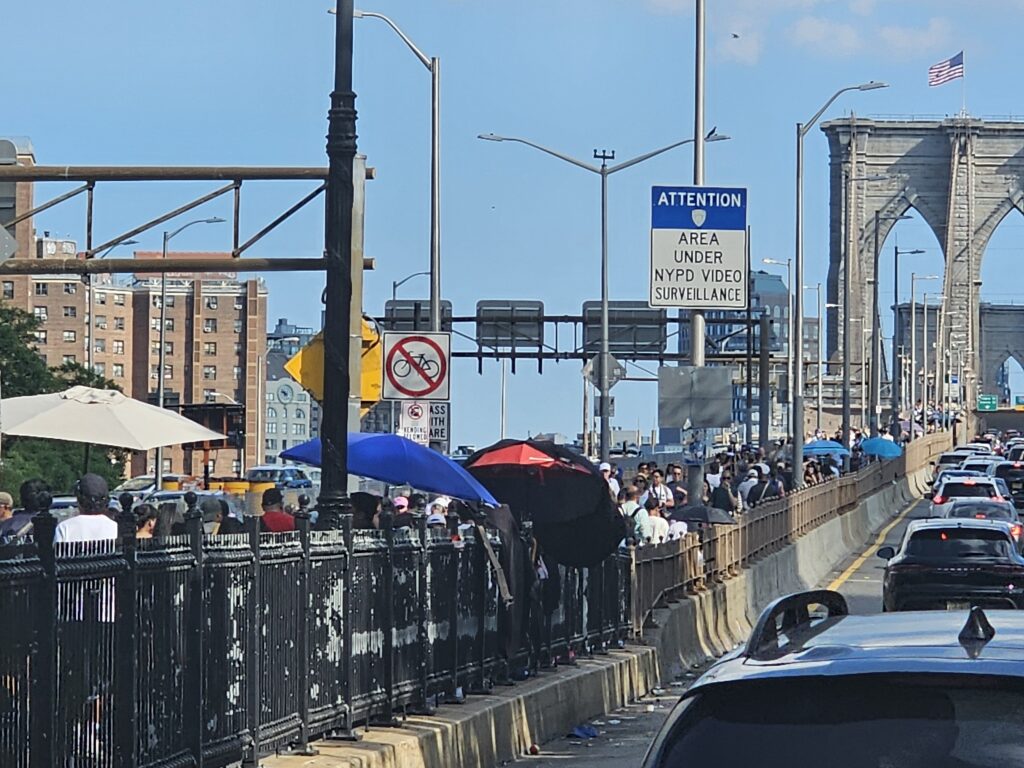
Millions of visitors flock to the bridge annually to stroll along its historic, elevated wooden promenade made of nearly 13,000 planks. Walking above the flow of vehicle traffic allows you to slow down and absorb the atmosphere without the stress of city streets.
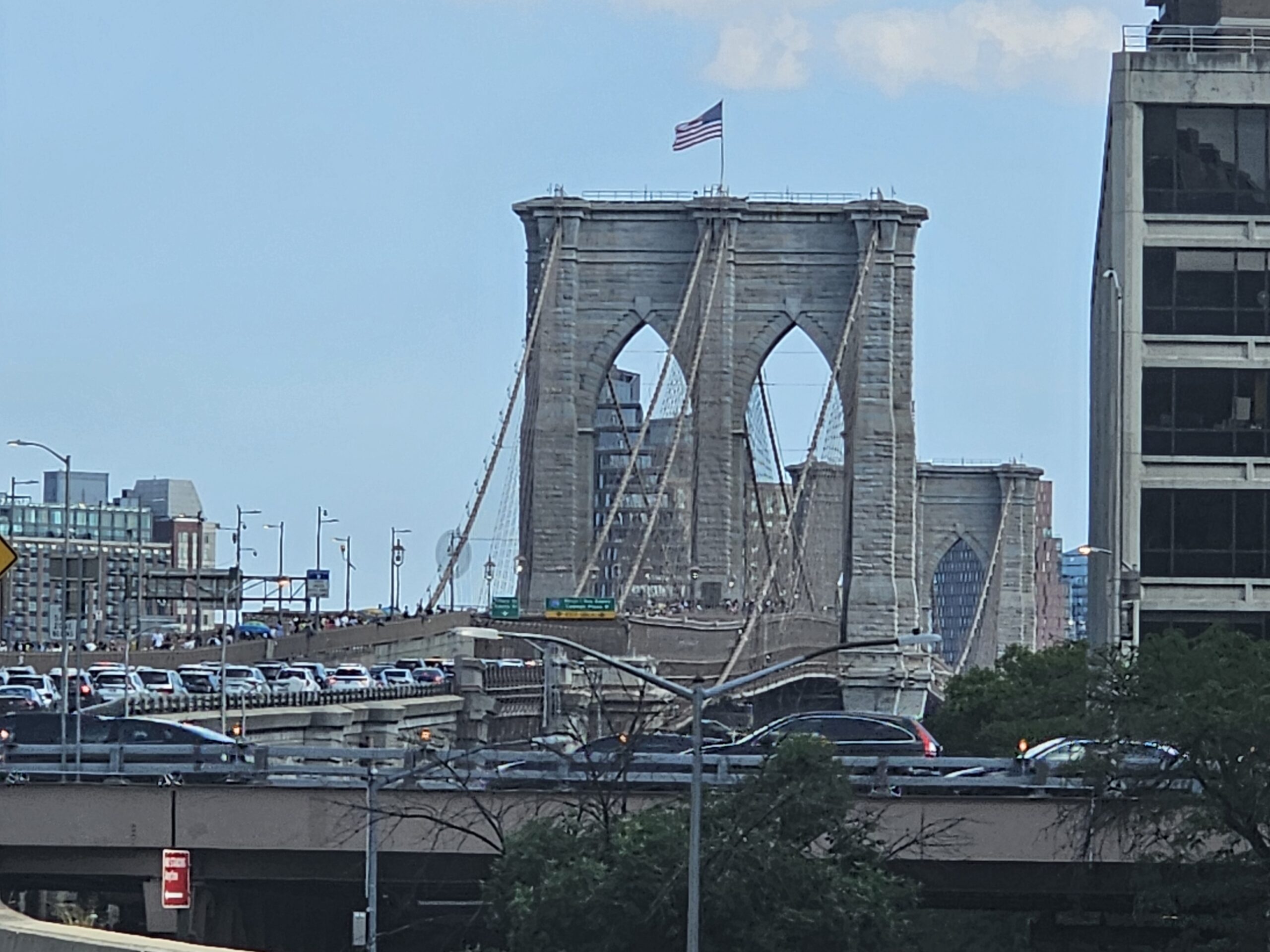
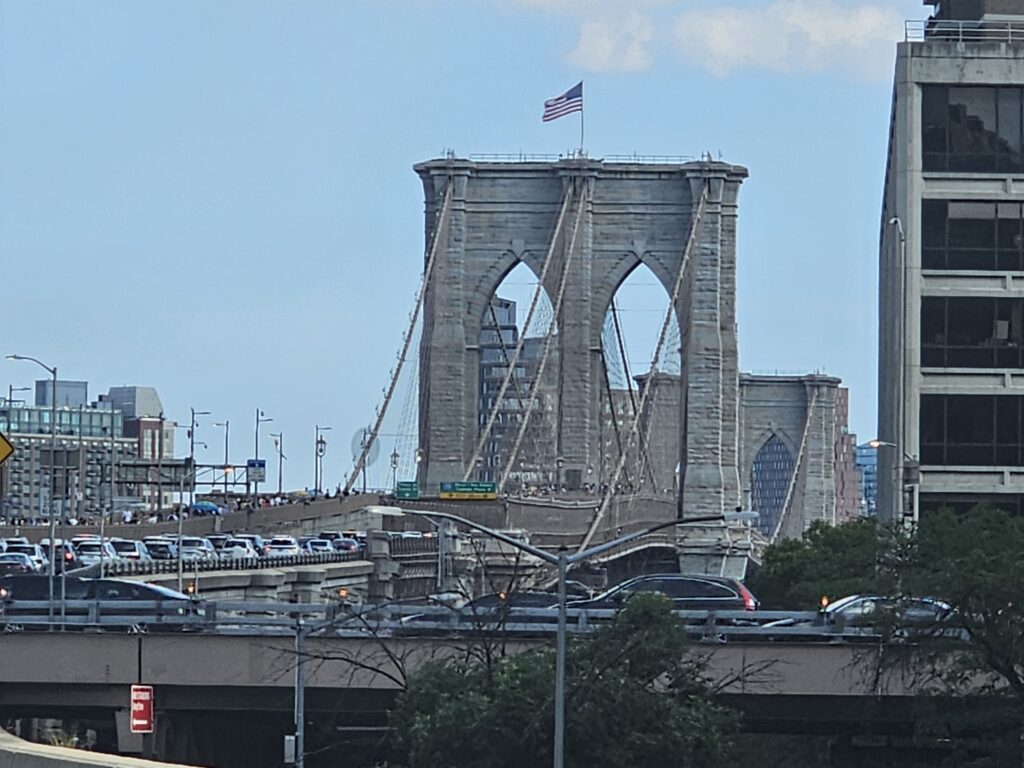
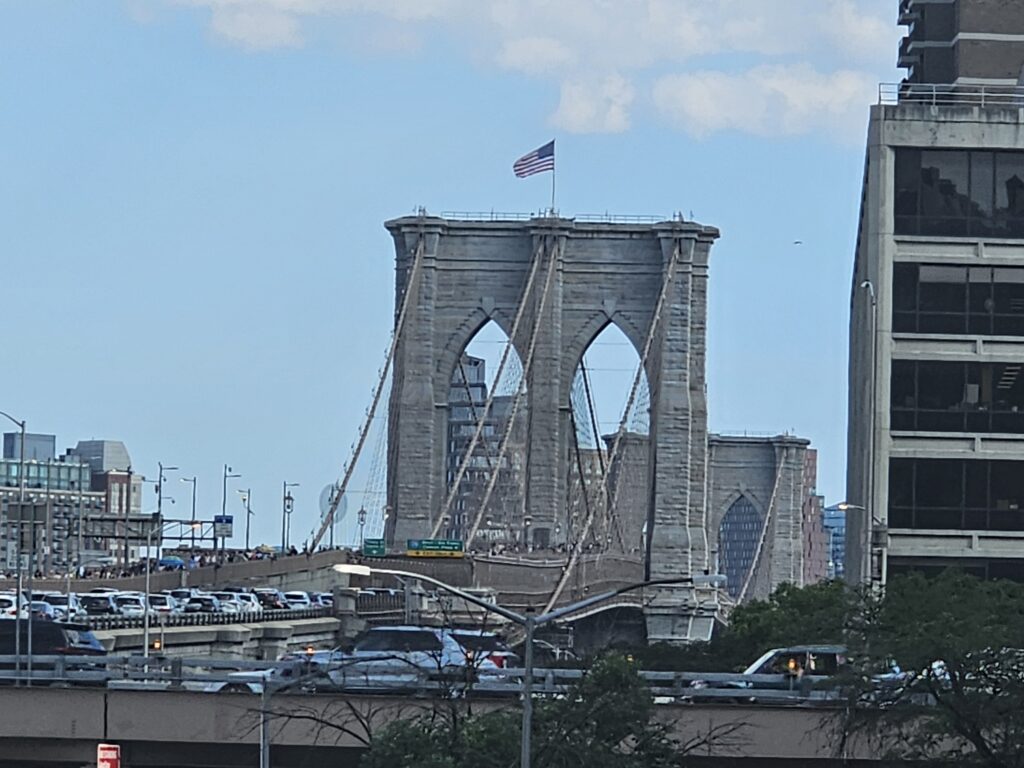
Architectural Grandeur: Walking directly through the massive, neo-Gothic limestone and granite towers with their signature pointed arches feels like stepping into a living outdoor museum.For another spectacular perspective of the Manhattan skyline, explore our guide to Edge NYC.
The DUMBO Transition
Ending your walk on the Brooklyn side drops you straight into DUMBO, offering instant access to riverside parks, iconic pizza spots like Grimaldi’s, and the world-famous Washington Street photo perspective.
How to Get There and Walk It Like a Pro
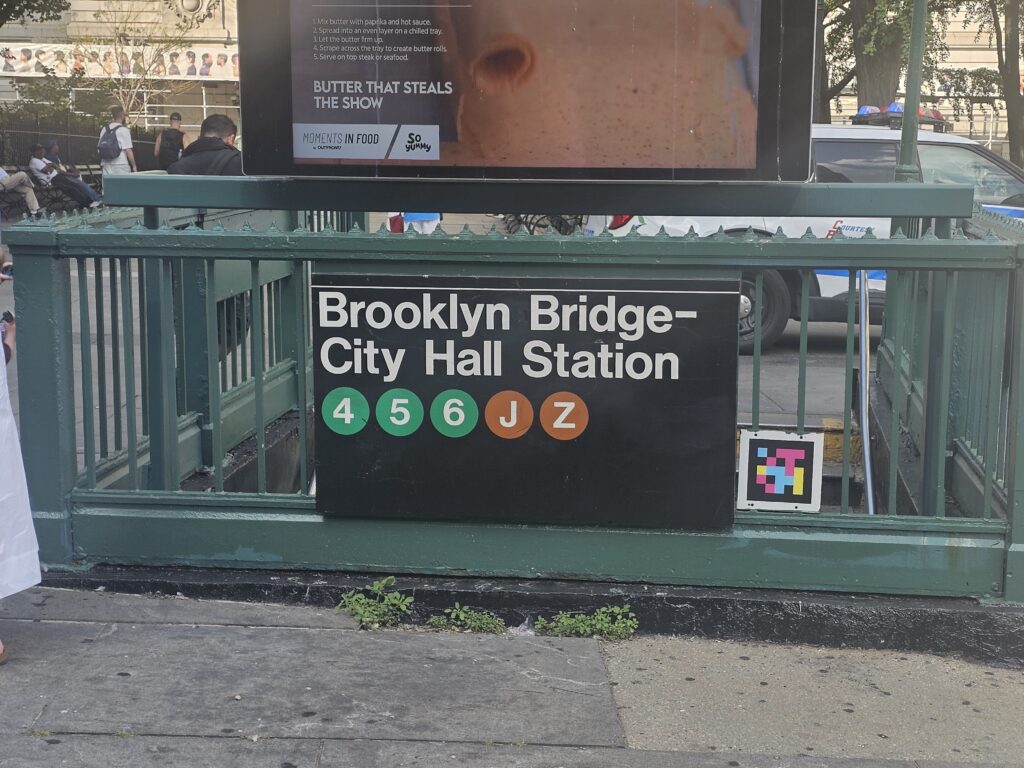
To get the absolute most out of your journey, walk from Brooklyn to Manhattan. This Brooklyn Bridge walking guide also helps visitors choose the right entrance and plan their route before starting the walk. This specific direction keeps the sweeping Manhattan skyline directly in front of you the entire time, preventing you from constantly having to turn around for photos.
Pedestrian Entrances & Transit Connections
1. Starting on the Brooklyn Side (Recommended)
- Nearest Subway: Take the A or C train to High Street–Brooklyn Bridge. For current subway service information, check the official MTA website.
- The Downtown Brooklyn Ramp: Located further inland at the intersection of Tillary Street and Adams Street. This is a continuous ramp ideal for accessible entry.
2. Starting on the Manhattan Side
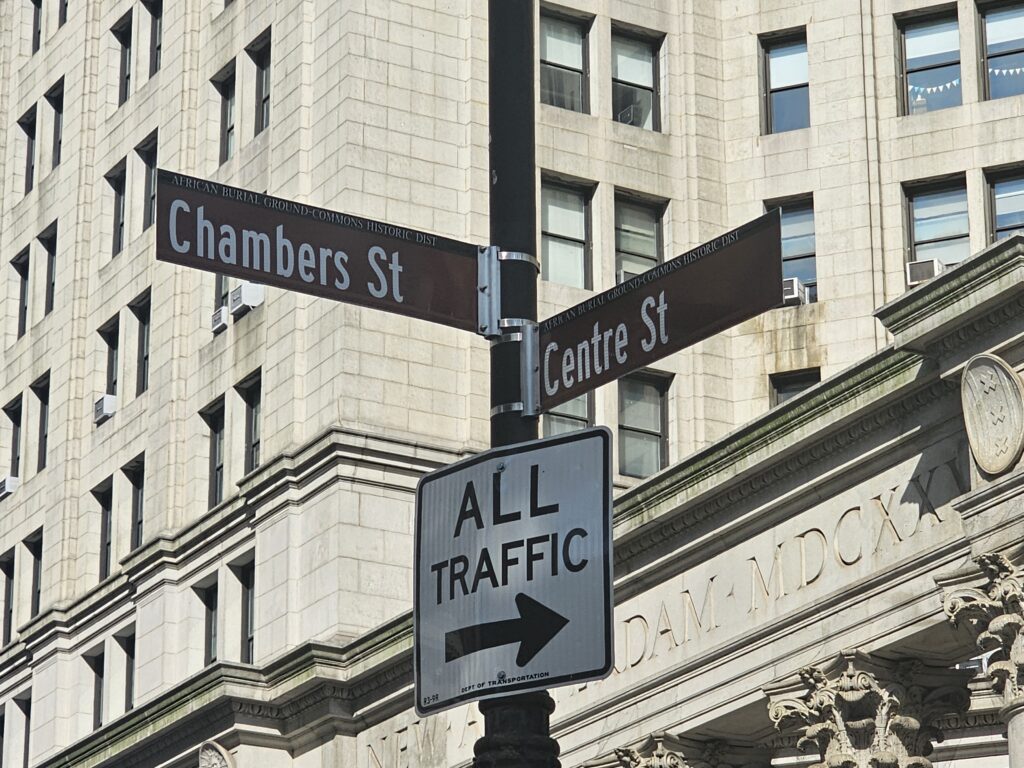
The City Hall Park Entrance: Located right at the busy intersection of Centre Street and Park Row, directly across from the northeast corner of City Hall Park.
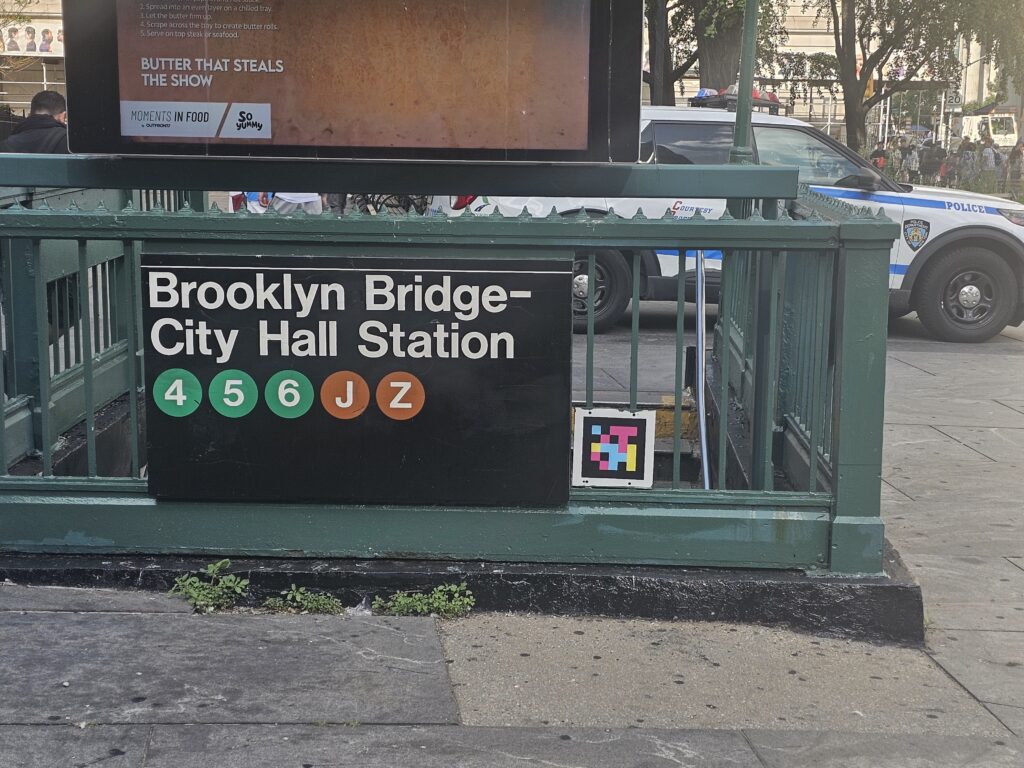
- Nearest Subway: Take the 4, 5, or 6 train to Brooklyn Bridge–City Hall, the J or Z train to Chambers Street, or the R train to City Hall.
Quick Tips for the Walk
Distance & Time: Following this Brooklyn Bridge walking guide can help you plan your walking time and avoid the busiest periods. The walk is 1.1 miles long and typically takes 30 to 45 minutes depending on crowds and how often you stop to take pictures.
Best Times to Go: Visit during early morning (before 9:00 AM) or late evening to beat the heavy crowds and catch the best lighting. Midday can get heavily congested with tourists and vendors.
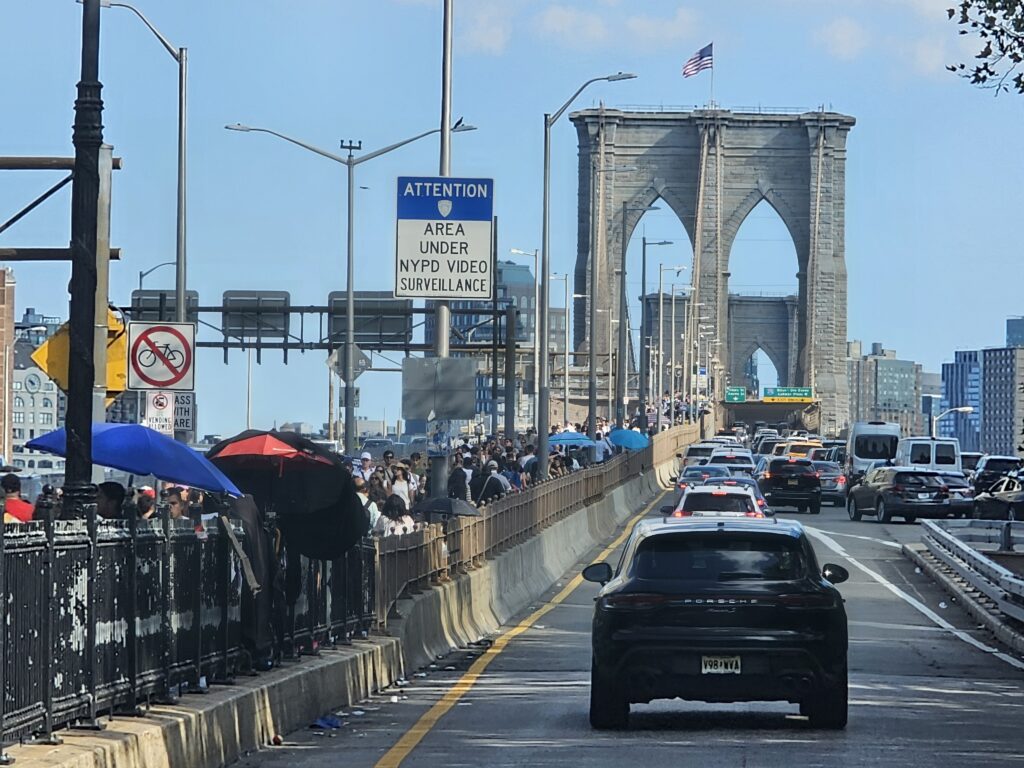
Stay Aware: A major infrastructure redesign successfully moved the bicycle lane down to the lower car deck, making the top wooden promenade safer for pedestrians. However, always keep an eye out for crowds and sudden photo-stoppers.
Traveling by Car
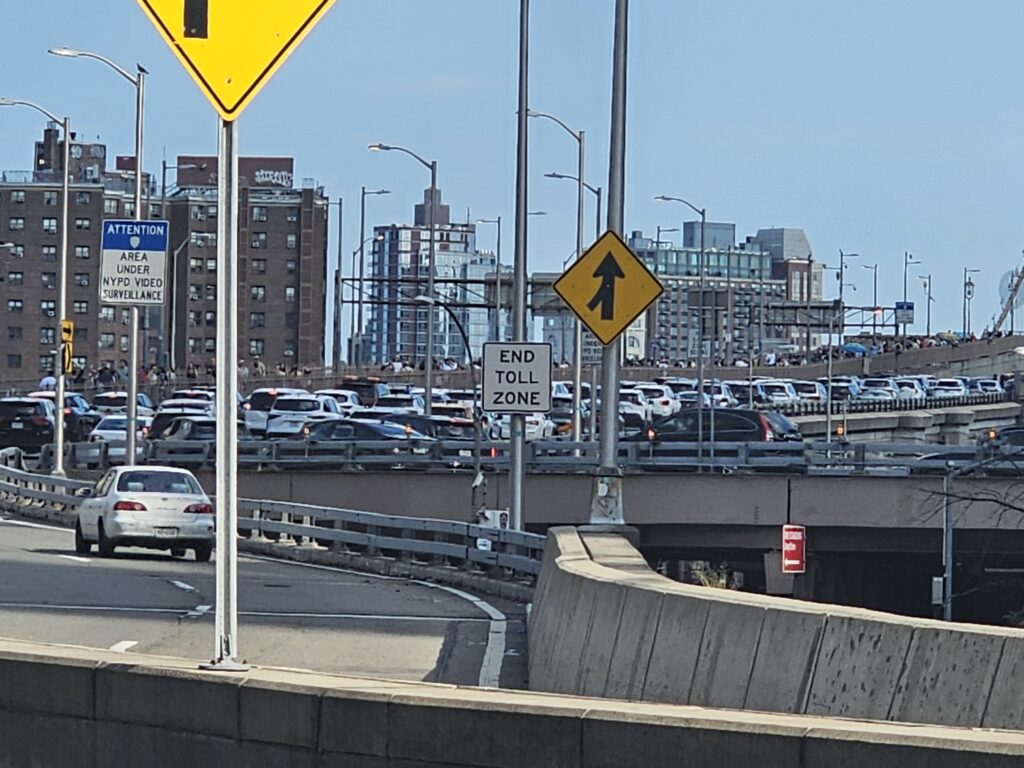
If you plan to drive, note that traffic on the bridge and connecting ramps backs up heavily during peak hours — the pedestrian promenade sits directly above the car deck, so drivers and walkers share the same structure. This Brooklyn Bridge walking guide gives you the essential information needed to enjoy the bridge, from choosing the best entrance to finding the best views.



















Comments 1