




















Table of Contents
Fort Tryon Park NYC feels surprisingly far removed from the noise of downtown Manhattan. Perched high above the Hudson River in Upper Manhattan, this 67-acre park combines dramatic river views, winding paths, gardens, open lawns, and one of the city’s most distinctive museums.

It is the kind of place where a short subway ride can turn into an afternoon of walking, photography, family time, or simply sitting beneath the trees. Designed by the Olmsted Brothers and given to New York City by John D. Rockefeller Jr., the park blends grand landscape design with a relaxed neighborhood feel.
Whether you are visiting for the Heather Garden, heading to The Met Cloisters, or looking for a quieter way to experience Manhattan, Fort Tryon Park offers a different side of New York.
Quick Facts About Fort Tryon Park NYC
| Hours | Daily, 6:00 AM–1:00 AM |
| Admission | Free to enter the public park grounds |
| Location | Upper Manhattan, overlooking the Hudson River |
| Best For | Walking, gardens, photography, families, views, and The Met Cloisters |
| Transit | A train to 190th Street is the most direct subway option |
What Makes Fort Tryon Park NYC Worth Visiting?
Unlike many Manhattan parks, Fort Tryon Park is built around elevation. The paths climb and curve along a ridge, creating changing views of the Hudson River and the New Jersey Palisades. That topography also gives the park a more wooded, almost estate-like atmosphere than the typical flat city green space.
The result is a park that works for different kinds of visitors. Photographers can chase wide river vistas and stone architecture, families have playgrounds and lawns, and walkers can spend hours moving between gardens, overlooks, and quiet paths.
The Met Cloisters: Medieval Art in a Manhattan Park
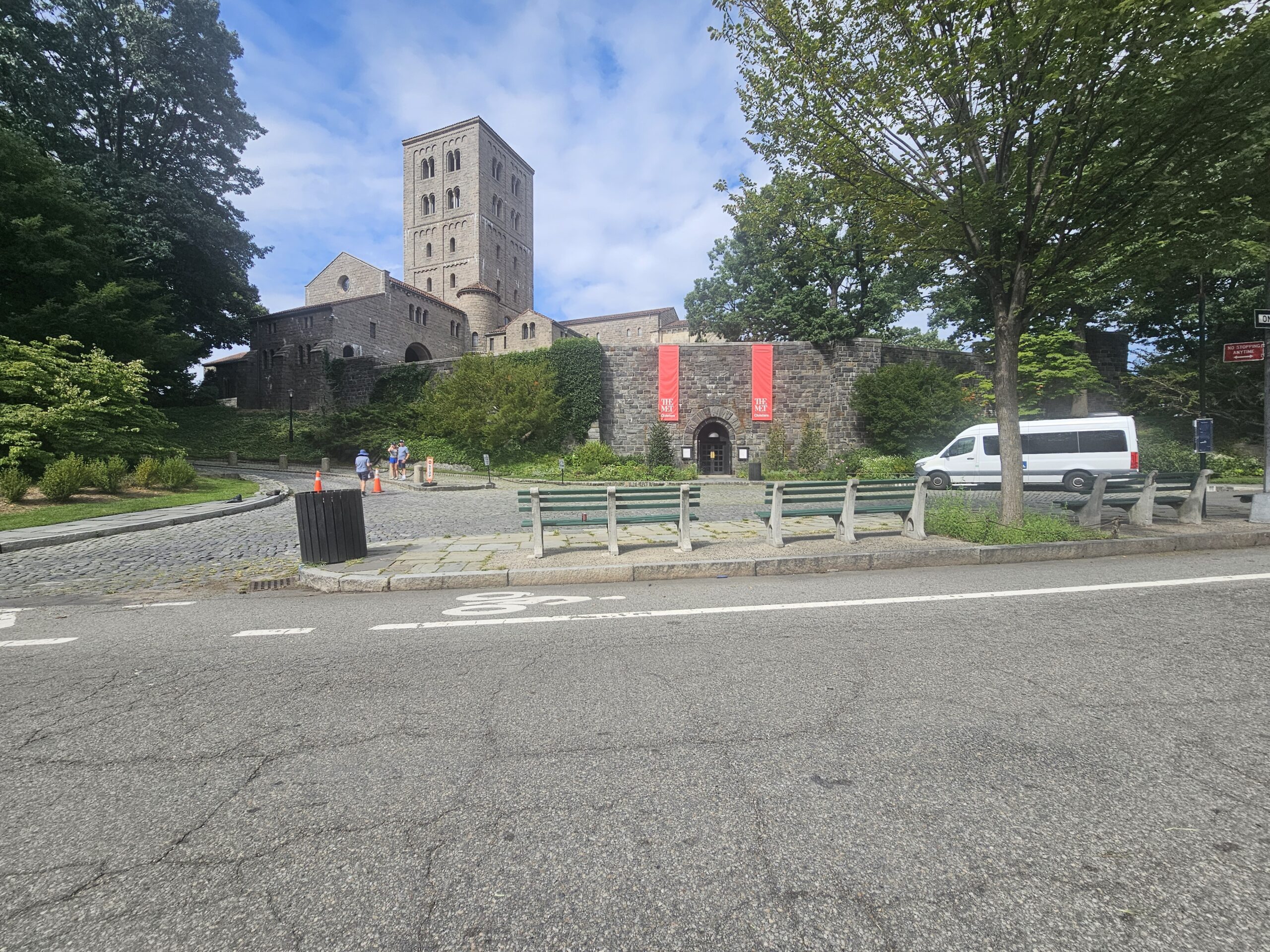
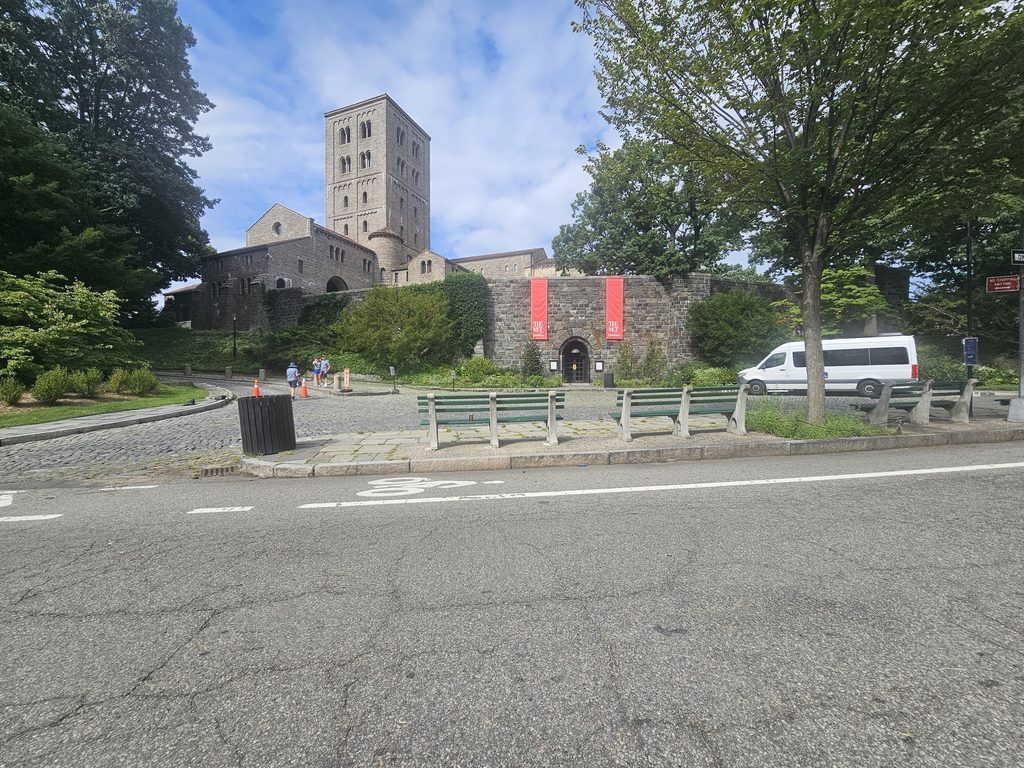
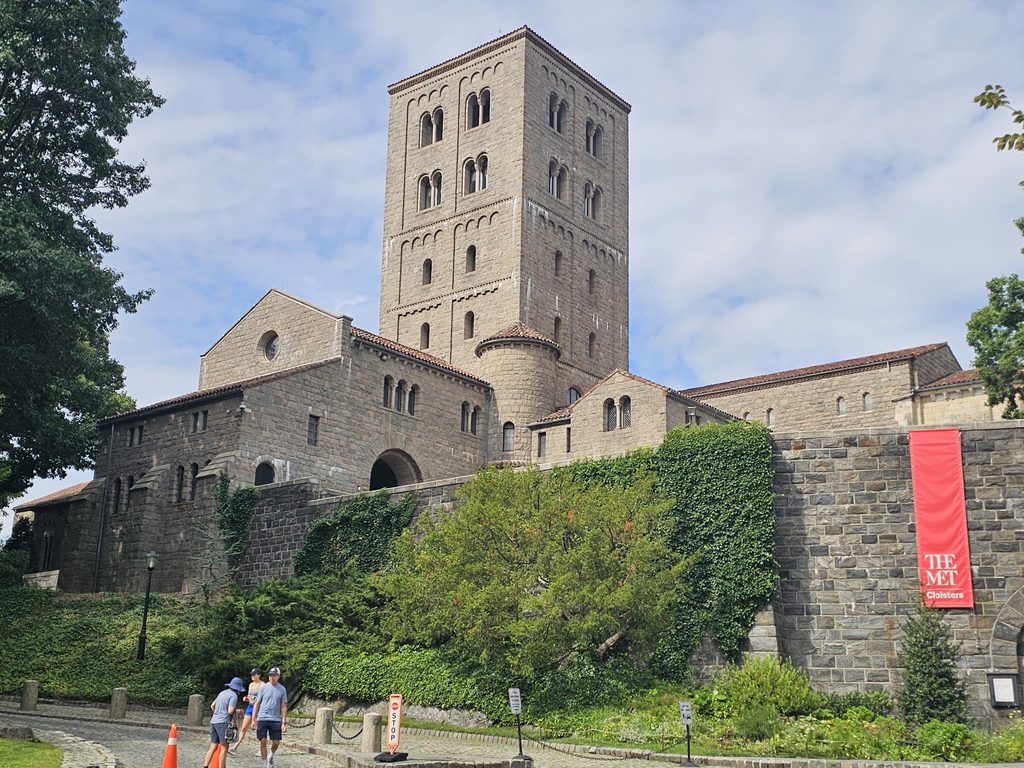
The Met Cloisters is the cultural centerpiece of Fort Tryon Park. Operated by The Metropolitan Museum of Art, the museum is devoted to the art, architecture, and gardens of medieval Europe, with a building designed to evoke European monastic spaces.
Walking toward the museum, the stone walls, towers, courtyards, and surrounding greenery make the experience feel very different from a conventional museum visit. Inside, visitors can explore medieval paintings, sculpture, illuminated manuscripts, textiles, and architectural details.
| Visitor Alert: The Fort Tryon Park grounds are free, but The Met Cloisters is a separate museum experience with its own admission policy and hours. The museum is closed on Wednesdays, so check the official visitor information before planning a museum-focused trip. |
Official museum information: The Met Cloisters visitor page
The Heather Garden at Fort Tryon Park NYC: A Seasonal Highlight
The Heather Garden at Fort Tryon Park NYC is one of the park’s signature landscapes and one of the best places to slow down and enjoy the surroundings. Its character changes with the seasons, giving visitors a different experience throughout the year.
Spring and summer bring vibrant bursts of color, while autumn adds warm foliage and softer tones to the landscape. For anyone who enjoys gardens, plant photography, or a peaceful walk away from Manhattan’s busy streets, the Heather Garden is an essential stop within Fort Tryon Park NYC.
Scenic Overlooks: Hudson River Views Without Leaving Manhattan
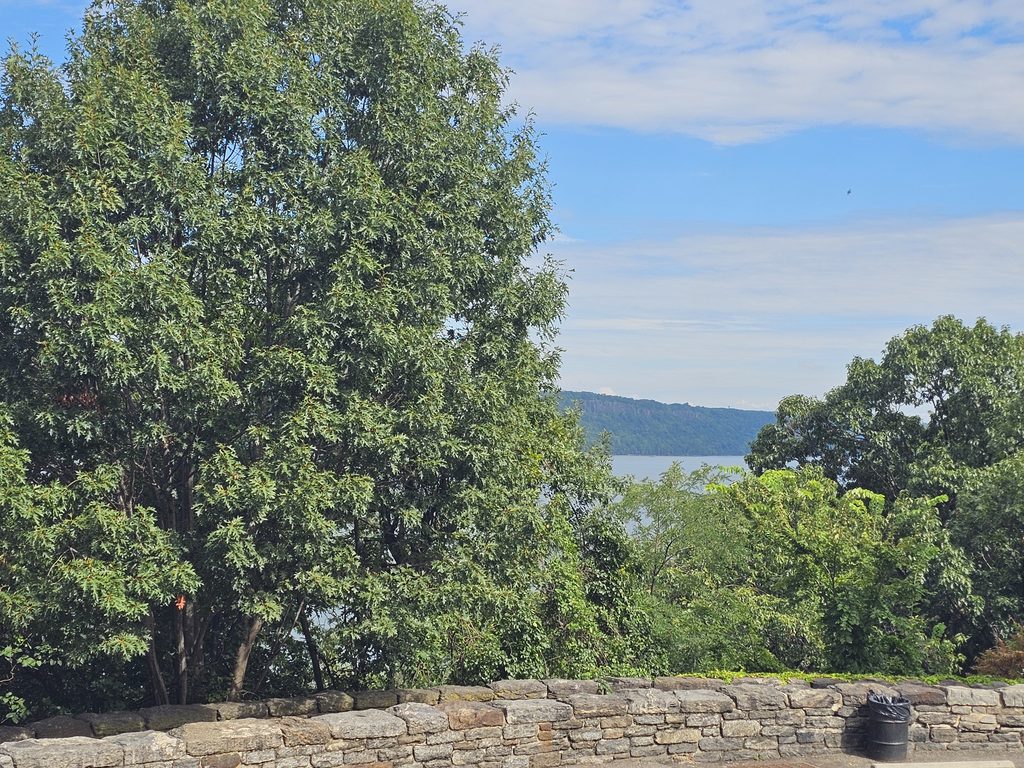
The overlooks are arguably Fort Tryon Park’s biggest visual reward. From the higher paths and terraces, you can look across the Hudson River toward the green cliffs of the New Jersey Palisades. The combination of river, trees, stone walls, and open sky creates some of the most relaxing viewpoints in northern Manhattan.
Bring a camera, but also leave time simply to sit and take in the view. The scenery changes noticeably with the weather and season, so even a familiar overlook can feel different on another visit.
Playgrounds, Lawns & Recreation
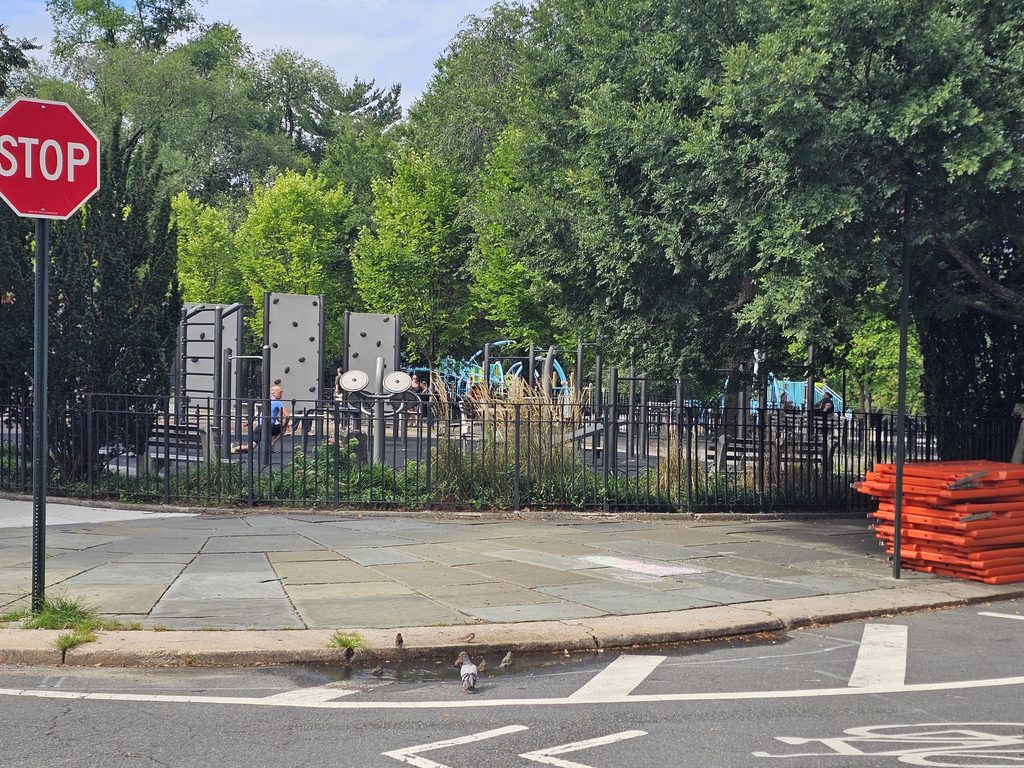
Fort Tryon Park is not only a sightseeing destination. Families can use the park’s playgrounds and open spaces, while walkers and joggers can explore more than eight miles of paths. The park also has lawns and recreational areas that make it easy to turn a museum visit into a longer day outdoors.
The Anne Loftus Playground and Jacob K. Javits Playground make the park especially practical for families. Dogs are also well represented, with a dedicated public dog run adding another reason locals use the park as part of their regular routine.
How to Get to Fort Tryon Park NYC
Public transportation is the easiest way to reach Fort Tryon Park, especially if you are coming from Midtown or another part of Manhattan.
By Subway: A Train to 190th Street
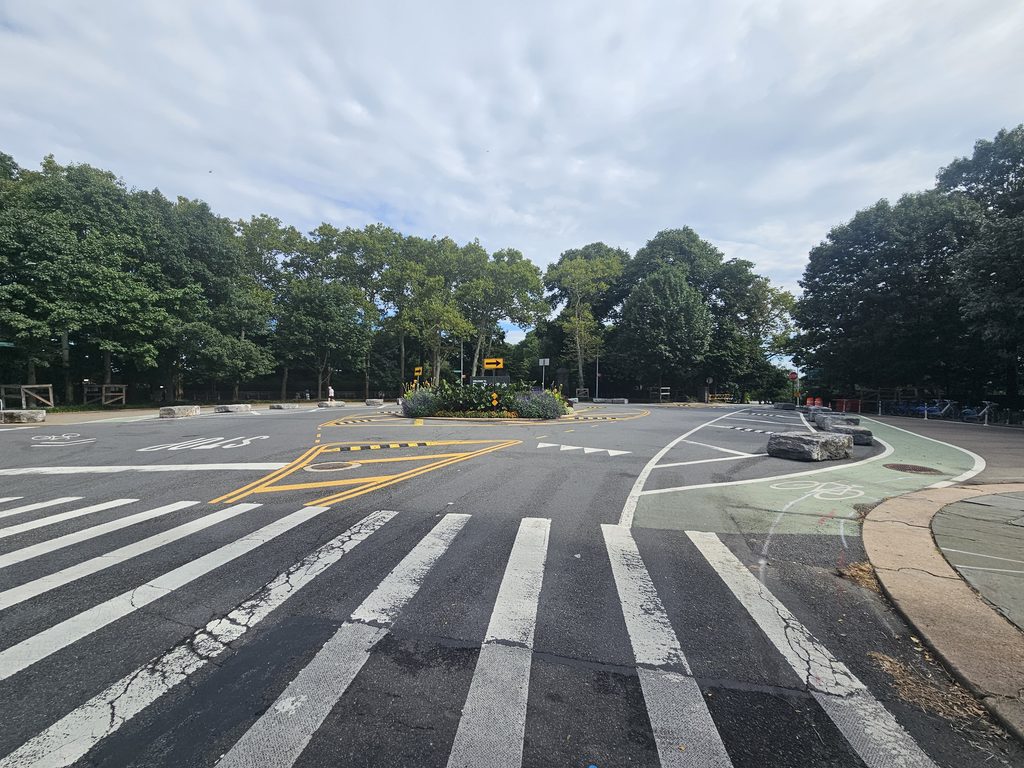
The most direct subway option is the A train to 190th Street. From the station, use the elevator or stairs to reach Fort Washington Avenue, then continue toward Margaret Corbin Circle and the southern entrance to the park.
If you are interested in understanding Manhattan’s north-to-south subway geography before your visit, read EnFlive’s 1 Train NYC guide
The 1 train can also be useful for reaching the northern Manhattan area, although the A train to 190th Street is the more straightforward choice for Fort Tryon Park.
By Bus
The M4 serves the Fort Tryon Park and The Cloisters area. Bus service can be useful if you prefer to avoid subway stairs or are already traveling along the Upper Manhattan corridor.
By Car
Drivers can approach the park from the Henry Hudson Parkway, but parking is limited and traffic conditions can make driving less convenient than public transit. If you are coming primarily for The Met Cloisters, check the museum’s current directions and parking information before leaving.
Visitor Tips for a Better Fort Tryon Park NYC Trip
- Wear comfortable shoes. The park has hills, stairs, terraces, and long walking paths, so supportive footwear will make the visit much easier.
- Plan around the museum. If The Met Cloisters is a priority, check its current hours before you go and remember that Wednesday is the regular closing day.
- Bring water and a picnic. The park’s lawns and shaded areas make it a strong choice for a relaxed outdoor meal.
- Allow more time than you expect. The museum alone can take hours, and the gardens, overlooks, and paths are worth exploring rather than rushing through.
- Go for the light. Morning and late afternoon can be especially rewarding for photography because the river, trees, and stone architecture take on changing light.
A Simple Way to Spend Half a Day Here
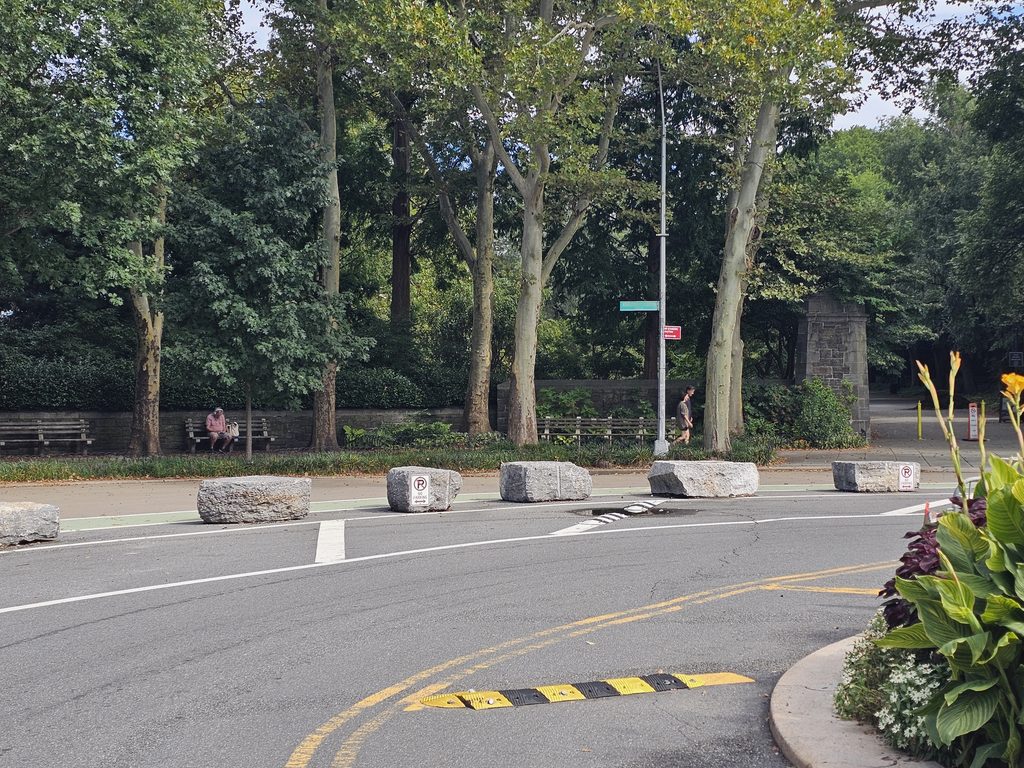
Start at Margaret Corbin Circle and walk through the garden area before continuing toward The Met Cloisters. Spend time inside the museum, then return outside for the river overlooks and a slower walk through the park.
If you are hungry afterward, continue north toward Inwood and explore EnFlive’s Cachapas y Mas NYC guide
for another Upper Manhattan food stop. That combination gives you a good mix of gardens, art, views, walking, and neighborhood food without spending the whole day in Midtown.
Final Thoughts
Fort Tryon Park NYC is one of those Manhattan destinations that rewards visitors for slowing down. You can arrive for the Hudson River views, stay for the gardens, discover The Met Cloisters, and still have plenty of room for an easy walk or picnic.
Its combination of landscape, architecture, culture, and elevation makes it feel unlike the city’s more famous central parks. For travelers who want to see a quieter, greener side of Manhattan, Fort Tryon Park is a destination worth putting on the itinerary.
Official park information: Fort Tryon Park Conservancy — Visit & Park Map