




Table of Contents
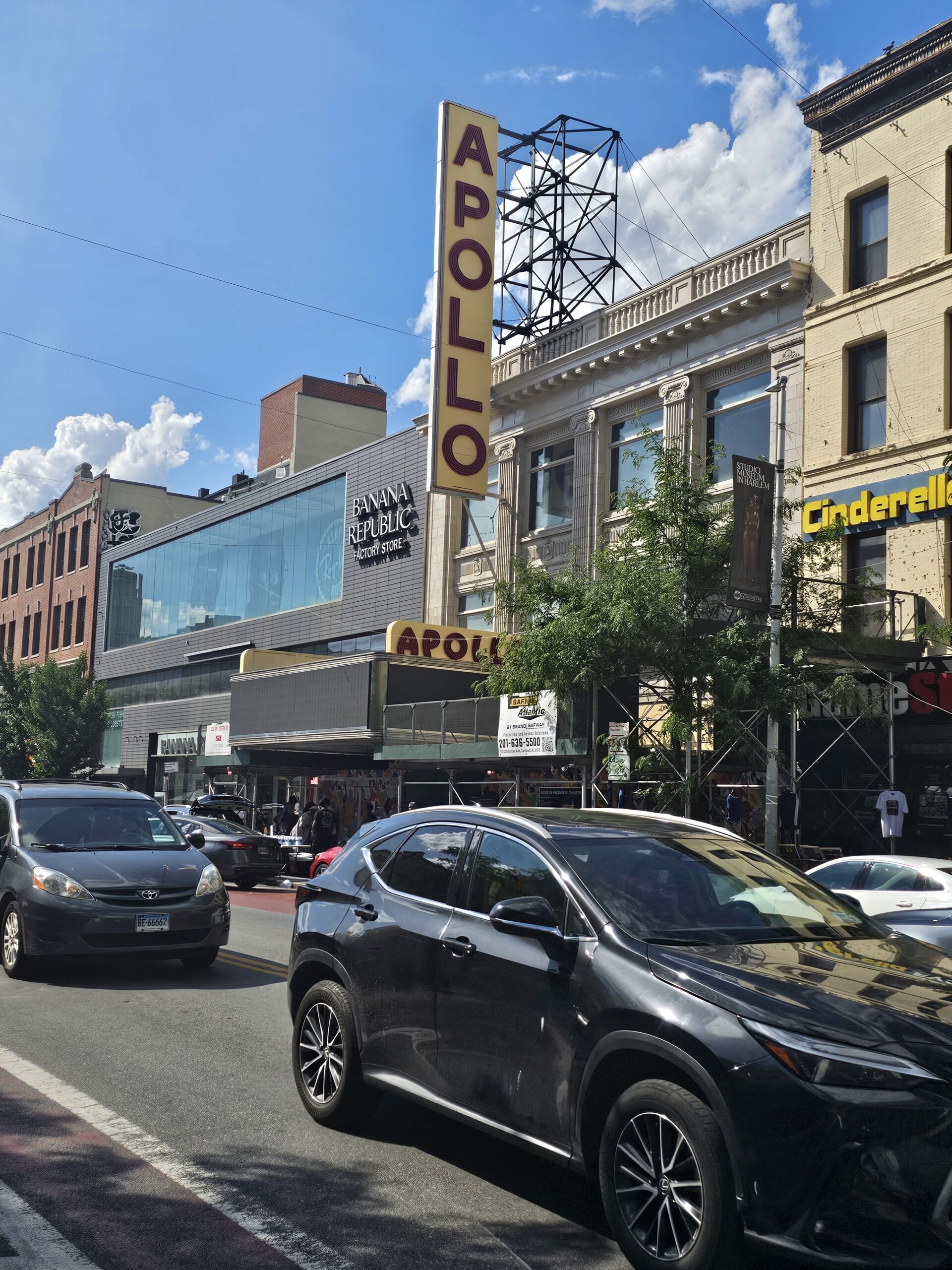
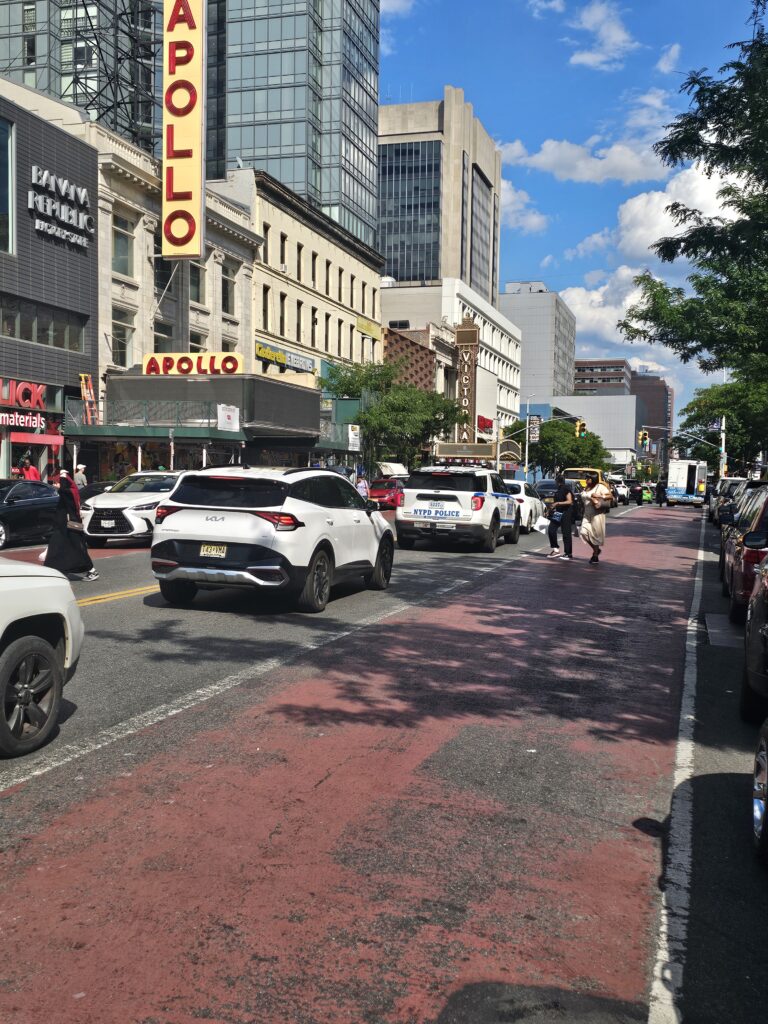
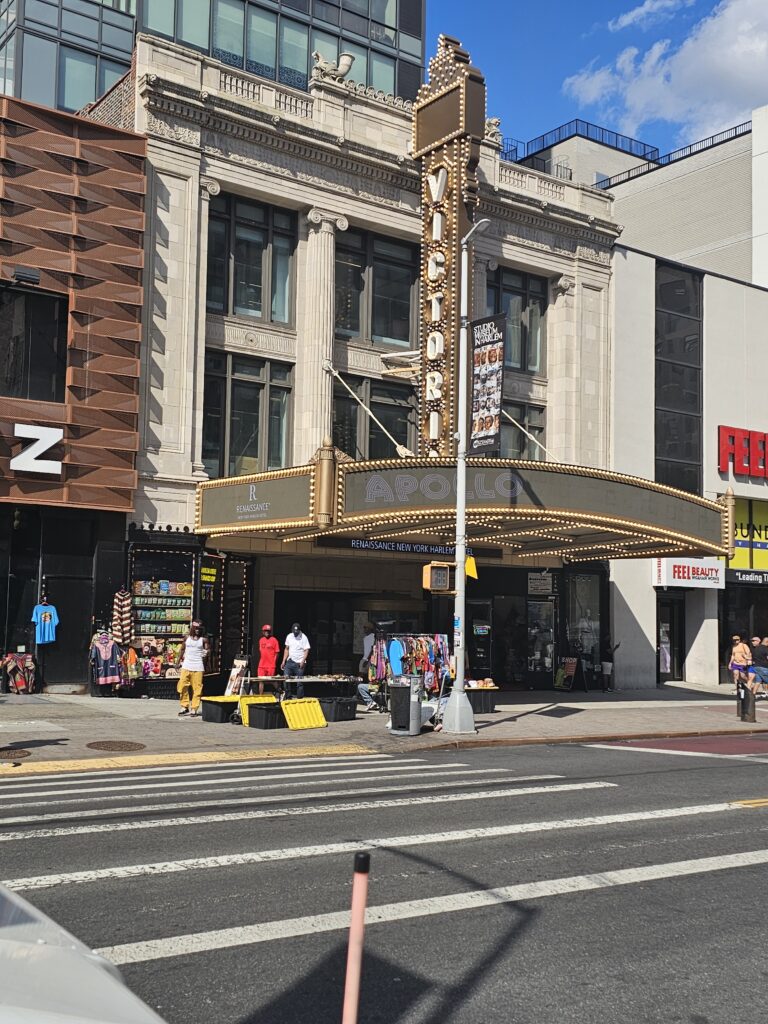
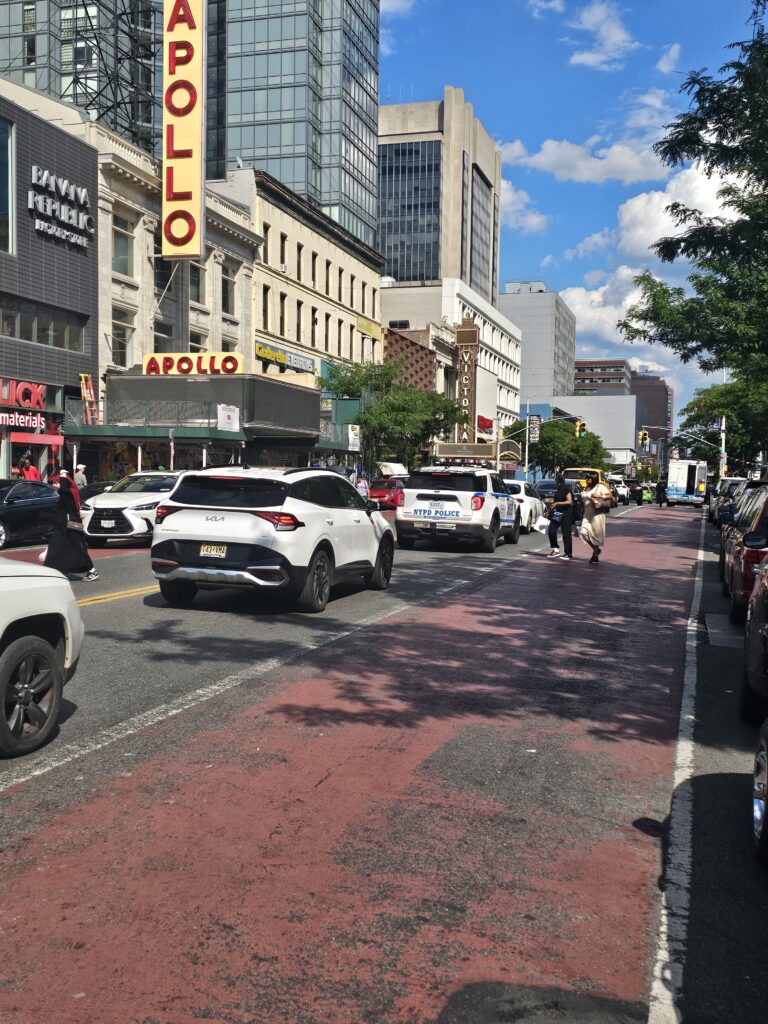
The Apollo Theater Harlem has stood at 253 West 125th Street for over a century, and in that time it has become the single most important stage in the history of American popular music. More than a concert hall, it is a living monument to the creative power of Black America — a place where unknown teenagers became global legends and where musical genres were born, tested, and unleashed on the world.

For anyone visiting New York City, a walk past the Apollo’s iconic red marquee on 125th Street is not optional. It is essential. Here is everything you need to know about why this building matters, what happened inside it, and how to make the most of your visit.
From Segregated Burlesque House to America’s Cultural Catalyst
The building at 253 West 125th Street first opened its doors in 1913 as Hurtig and Seamon’s New Burlesque Theater. Designed in a striking Neoclassical style by architect George Keister — the same architect behind Broadway’s Belasco Theatre — the original venue enforced strict segregation. Black patrons were barred from the audience, and Black performers were barred from the stage.
Everything changed in 1934. As Harlem’s demographics shifted and the neighborhood became the cultural center of Black America, the theater reopened under new management as the 125th Street Apollo Theatre. The new owners made a pivotal decision: they would celebrate and spotlight African American artists exclusively. Within months, the Apollo had been transformed from a relic of segregation into the beating heart of Black cultural life in New York City.om a relic of segregation into the beating heart of Black cultural life in New York City.
Amateur Night: The Most Brutally Honest Stage in the World
The crown jewel of the Apollo’s programming has always been its legendary Amateur Night, which launched in 1934 and continues to this day. The concept is deceptively simple: unknown performers take the stage in front of a notoriously tough Harlem audience, and the crowd decides their fate in real time.
If the audience loves you, you move forward. If they don’t, the Executioner — a comedic character carrying a broom — sweeps you off the stage. There is no softer version of this feedback. The Apollo crowd has never been polite about mediocrity, and that uncompromising standard is exactly what made winning Amateur Night mean something. The list of artists who passed that test reads like a who’s who of American music history: Ella Fitzgerald won one of the very first Amateur Nights at just 17 years old, originally planning to dance before nerves pushed her to sing instead. James Brown performed here more than any other headliner in the theater’s history. Jimi Hendrix, Lauryn Hill, and D’Angelo all stood on this same stage before the world knew their names.
Why the Apollo Theater Harlem Shaped Every Music Genre You Love
It is almost impossible to overstate the Apollo’s impact on global pop culture. Over nine decades, this single stage nurtured virtually every American music genre of the 20th century — jazz, swing, bebop, R&B, gospel, blues, soul, and hip-hop all had formative moments at 253 West 125th Street.
What set the Apollo apart was not just the talent it attracted but the community it served. The theater operated as a feedback machine for an entire culture. Artists who played the Apollo were playing for an audience that understood the music at the deepest level — an audience that had lived the experiences the songs described. Getting that crowd’s approval was the highest possible validation.
Today the Apollo operates as a thriving nonprofit performing arts institution, hosting world-class comedy, dance, theater, and education programs year-round. In 2024 it became the first performance venue in history to receive the Kennedy Center Honors — a recognition of its unparalleled contribution to American culture.
Where to Eat Near the Apollo Theater: Best Restaurants on 125th Street
A day exploring Harlem’s cultural history requires excellent food. The blocks immediately surrounding the Apollo feature some of the most dynamic dining in Upper Manhattan.
The Victoria Theater Restaurant (233 W 125th St), located right next door to the Apollo inside the Renaissance NY Harlem Hotel, serves upscale soul fusion and refined Cajun dishes. Their chicken and waffles and shrimp and grits are among the most talked-about plates in the neighborhood.
Red Rooster Harlem (310 Lenox Ave), helmed by celebrity chef Marcus Samuelsson, serves creative comfort food alongside live music in an art-filled dining room that has become one of Harlem’s signature experiences. A few blocks west, Angel of Harlem (2272 Frederick Douglass Blvd) delivers top-tier Caribbean-American fusion and cocktails in a lively, funky setting.
Shopping on 125th Street: From Streetwear to Global Brands
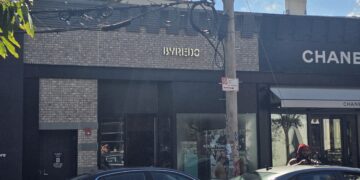
125th Street is also a premier shopping corridor that blends global brands with independent boutiques carrying deep neighborhood roots. Mkuu Harlem General Store (30 W 125th St) is a standout local destination for premium streetwear and culturally-centered t-shirts celebrating Harlem’s music icons. HARLEM Boutique (252 W 125th St), steps from the Apollo itself, carries high-quality streetwear and luxury designer labels under one roof.
For more everyday shopping, a Banana Republic Factory Store and Blick Art Materials are both located close to the theater, making it easy to combine a cultural visit with practical errands.
If You Go: Planning Your Apollo Theater Visit
Address: 253 W. 125th Street, New York, NY 10027
Box Office Hours: Monday–Friday 10 AM–6 PM | Show days: 10 AM–curtain
Transit: Take the A, B, C, or D train to the 125th Street/St. Nicholas Avenue station — you will be just one block from the marquee. If you are coming from the Bronx or downtown Manhattan via the west side, the 1 train stops at 125th Street as well, just a short walk east from the theater.
Insider Tip: Check the Official Apollo Theater calendar and book Amateur Night tickets in advance — it is one of the most unpredictable and electric live performance experiences in New York City, and it sells out regularly. If you are visiting the area, the Dinosaur Bar-B-Que at 700 W. 125th Street is a short walk west and makes for an excellent pre-show dinner stop.